Why Immediate Load Implant Cases Start with the Prosthetic Plan

In implant dentistry, success isn’t defined only by surgical placement. Long-term outcomes depend just as much on what happens before the implant is placed — specifically, how the prosthetic plan is developed and integrated into the overall treatment strategy.

As immediate load and full-arch cases become more common, clinicians are recognizing that predictable results start with a clear restorative vision. When the final prosthetic outcome drives the planning process, both surgical and restorative phases become more precise, efficient, and patient-centered.

The Shift Toward Prosthetic-Driven Planning

Traditional implant workflows often focused primarily on surgical placement. Today, many clinicians are taking a more comprehensive approach by starting with the desired restorative outcome and working backward.

This prosthetic-first mindset allows teams to:

  • Visualize esthetics and function from the start
  • Improve implant positioning for restorative success
  • Reduce complications during provisionalization
  • Create more predictable long-term results

By aligning the surgical plan with the restorative goals, clinicians can deliver results that are both functional and esthetically refined.

Immediate Load Requires Precision — Not Guesswork

Immediate load cases demand a higher level of planning than traditional implant protocols. Because provisional restorations are placed right away, every step must be carefully coordinated.

Key factors include:

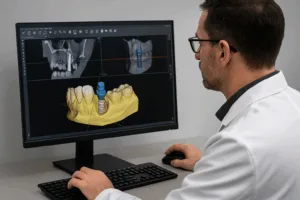
  • Accurate digital treatment planning
  • Proper implant positioning for load distribution
  • Thoughtful contouring of temporary restorations
  • Clear communication between the surgical and restorative teams

When these elements are aligned, immediate load cases can offer patients faster results without compromising stability or esthetics.

Digital and Conventional Workflows Working Together

While digital tools have transformed implant planning, successful outcomes often rely on blending digital precision with conventional clinical principles.

Digital workflows help clinicians:

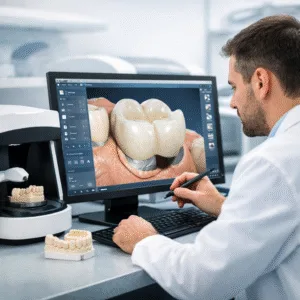
  • Analyze anatomy more accurately
  • Plan implant positioning with confidence
  • Fabricate surgical guides efficiently

At the same time, conventional techniques remain essential for evaluating soft tissue, occlusion, and functional dynamics. The most effective treatment plans combine both approaches to support predictable, long-term success.

Full-Arch and Single-Arch Restorations: Different Cases, Same Foundation

Whether restoring a full arch or a single segment, the foundation remains the same: proper records, thoughtful planning, and a prosthetic-driven strategy.

Essential considerations include:

  • Diagnostic records that support accurate planning
  • A clear restorative vision
  • Provisional designs that support healing and esthetics
  • Collaboration between the dentist and the lab

When these elements are in place, clinicians can approach even complex restorations with greater confidence.

Elevating Outcomes Through Collaboration

At The Dental Lab, we believe that the strongest results come from collaboration — between clinicians, technicians, and technology. When restorative goals guide the planning process, everyone involved works toward the same outcome: predictable, high-quality care for patients.

As implant dentistry continues to evolve, staying informed on modern planning strategies helps practices deliver better results, streamline workflows, and improve the overall patient experience.

Interested in learning more about advanced prosthetic-driven implant planning?

Join us in Bristol for an in-person educational evening focused on immediate load and full-arch treatment planning.

👉 Take the course (Free)