The Future of Tooth Replacement:

Why Dental Implants Are Changing Dentistry

Losing a tooth is more than cosmetic — it affects chewing, bone health, and confidence. While bridges and dentures have long been the standard, dental implants are redefining tooth replacement. This blog explains why implants are rapidly becoming the preferred solution for both patients and clinicians.

Untitled design (1)

What Is a Dental Implant?

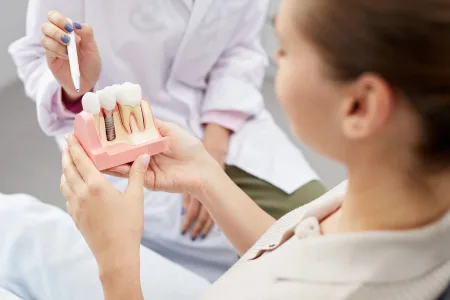
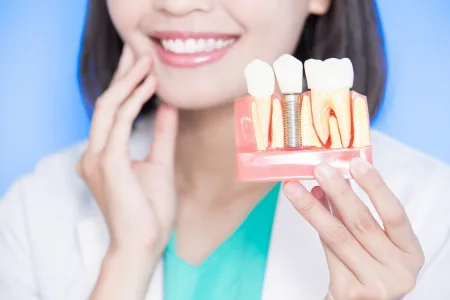
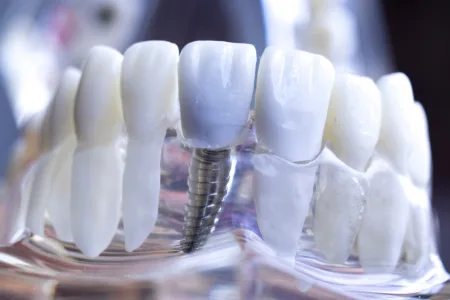
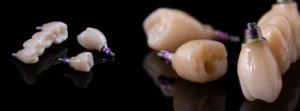
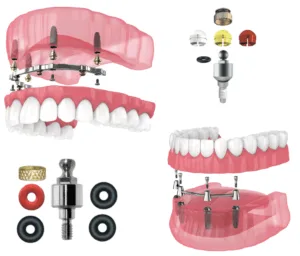
A dental implant is a biocompatible post (titanium or zirconia) that integrates with the jawbone through osseointegration. It acts like an artificial root, supporting crowns, bridges, or even full-arch restorations.

  • Preserves bone by stimulating natural function
  • Doesn’t require cutting down adjacent healthy teeth
  • Provides long-term stability and natural esthetics
TDL Blog (1)

Why Implants Are Outperforming Older Options

Stability & Function

Because they fuse to bone, implants provide biting power comparable to natural teeth.

Bone Preservation

Bridges and dentures can’t stop bone loss. Implants maintain ridge height, helping retain facial structure.

Longevity & Low Failure Rates

Large studies show implants succeed at a very high rate — one analysis of over 158,000 implants showed only ~2.2% failure, mostly early in healing.

Natural Look & Feel

Modern abutments and CAD/CAM crowns ensure esthetic results that blend with natural dentition.

When Bridges or Dentures Still Make Sense

TDL Blog (2)

While implants are often ideal, bridges and dentures remain useful in certain situations:

  • Patients with limited bone or medical contraindications
  • Short spans where a bridge is simpler
  • When cost is the deciding factor
OptionBenefitsDrawbacks
Implant-supported crownLong-term, bone preservation, independentRequires surgery, higher upfront cost
BridgeQuicker turnaround, no surgeryInvolves adjacent tooth, bone loss under pontic
Removable dentureAffordable, adjustableLess stability, more maintenance, resorption over time
TDL Blog (3)

Advances in Implant Dentistry

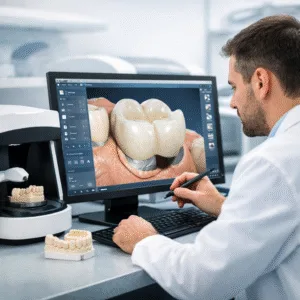
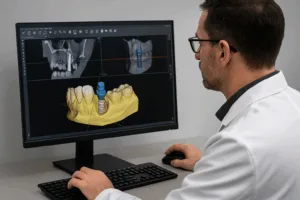
  • Digital Planning & Guided Surgery: CBCT and planning software create precision surgical guides.
  • Nanocoatings & Surface Modifications: Engineered surfaces speed healing and improve bone contact.
  • Immediate Loading: Some implants can be restored the same day if stability allows.
  • Smart Implants: Experimental designs with micro-sensors to monitor load and bone health.
  • Future Research: Proprioceptive implants aim to mimic the sensation of natural teeth.

Implants are not just “one more option” — they represent the future of restorative dentistry. With advanced workflows, labs and clinicians can deliver function, esthetics, and long-term value.

👉 Learn more about our [Implant Services] or connect with our team to discuss your next implant case.

Sources:

  1. Dental Implant Survival Rates: Comprehensive Insights (PMC)Keywords: dental implants, survival rate, osseointegration

  2. Advances in Dental Implant Technology (Luker Dental)Keywords: implant innovations, guided surgery, immediate loading

  3. Nanostructured Dental Implants Review (MDPI)Keywords: nanotechnology, implant surfaces, bone integration

  4. Exciting Innovations in Dental Implants 2024 (InsMyle Dental)Keywords: smart implants, surface engineering, future tech
  5. Natural Tooth Proprioception and Implants (Nature)Keywords: proprioceptive implants, sensory feedback, future research