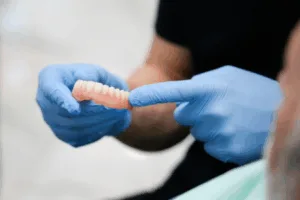
Mastering Overdenture Attachments: Making Confident, Predictable Clinical Decisions
Implant-retained overdentures remain one of the most versatile and patient-friendly solutions in restorative dentistry. Yet for many clinicians, attachment selection and long-term maintenance can introduce uncertainty—especially as systems, components, and workflows continue to evolve.
Choosing the right overdenture attachment is rarely about a single feature or brand. It’s about understanding indications, biomechanics, maintenance demands, and how each system performs in real-world conditions over time.
Why Attachment Selection Matters More Than Ever
Overdenture success is influenced by far more than implant placement alone. Attachment choice plays a direct role in:
- Patient comfort and ease of use
- Retention and stability over time
- Maintenance frequency and chair time
- Long-term component wear and complication risk
As practices increasingly integrate digital workflows and implant-retained prosthetics into everyday treatment planning, clinicians need a clear framework for evaluating attachment systems—not just from a product standpoint, but from a clinical and operational one.
A Practical Framework for Overdenture Decision-Making
A thoughtful approach to overdenture attachments considers:
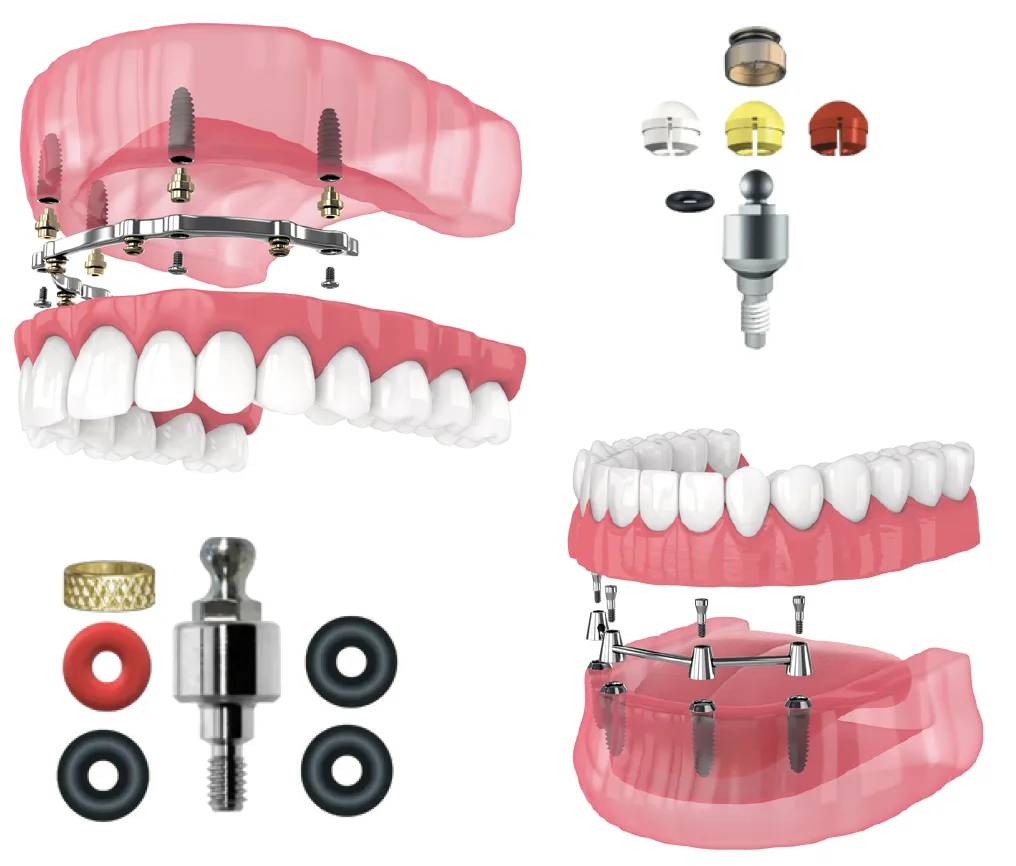
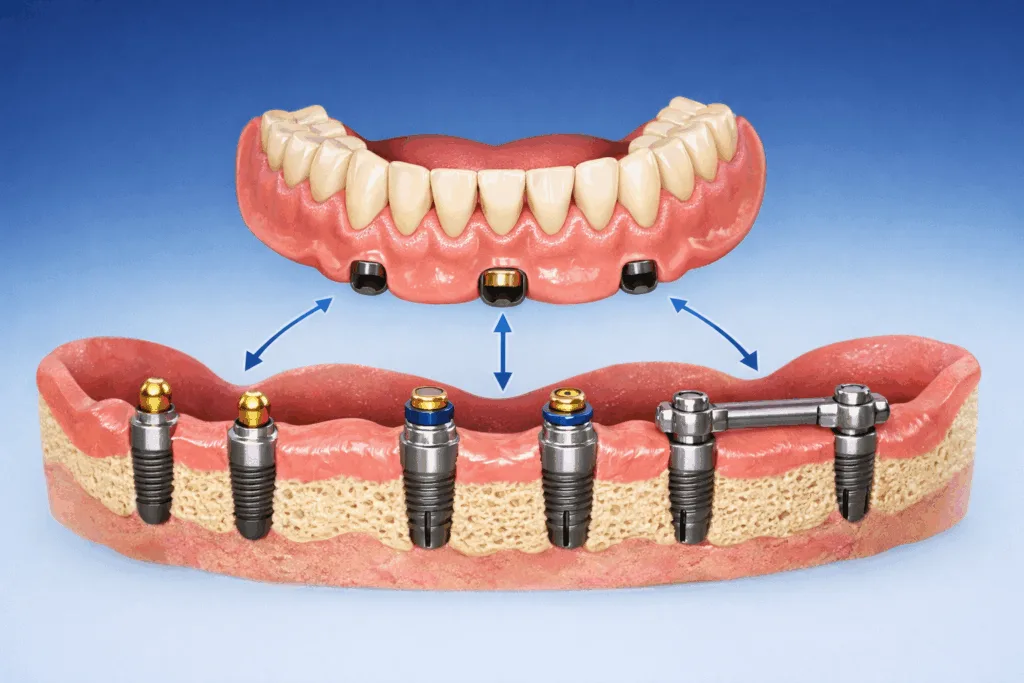
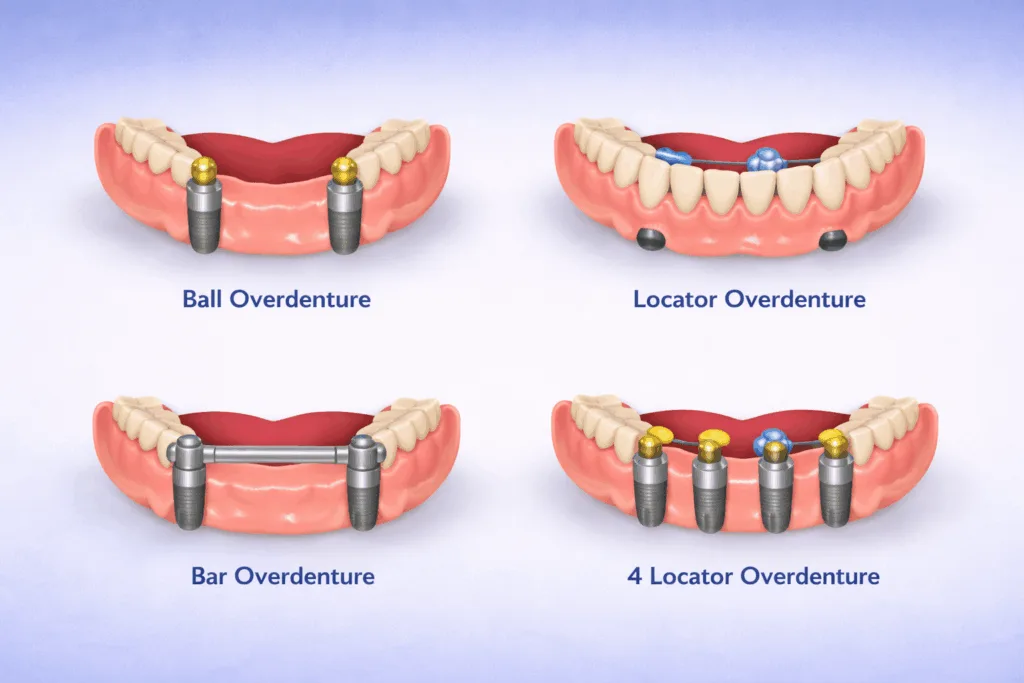
- Benefits and limitations of common attachment types
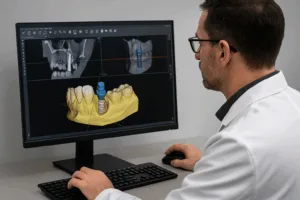
- Diagnostic and treatment-planning factors, including bone quality, implant positioning, and patient dexterity
- Workflow implications, from case design through delivery and long-term maintenance
- Troubleshooting pathways for common complications such as loss of retention, wear, or component failure
Understanding these variables helps clinicians move from reactive problem-solving to proactive planning—reducing surprises for both the practice and the patient.
Bridging Clinical Knowledge and Modern Workflows
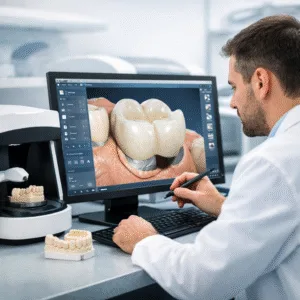
Today’s overdenture cases often live at the intersection of traditional prosthodontics and digital dentistry. Advances in CAD/CAM, 3D printing, and digitally designed components have expanded treatment possibilities—but they’ve also added complexity.
Clinicians benefit most from education that connects:
- Attachment system characteristics
- Digital design considerations
- Maintenance protocols that support long-term success
When these elements are aligned, practices can deliver predictable outcomes while improving efficiency and patient satisfaction.
Continuing Education Focused on Real-World Application
To support clinicians navigating these decisions, The Dental Lab is hosting a live CE webinar focused on the selection and troubleshooting of removable overdenture attachments. The session is designed to be practical, case-driven, and applicable across a wide range of practice settings.
Led by Dr. Yaron Gabel, an experienced educator with a background in digital workflows, full-arch prosthetics, and clinical advisory roles, the course will walk through:
- How to evaluate attachment options for specific clinical scenarios
- Key planning considerations that influence long-term outcomes
- Maintenance strategies for implant-retained overdentures
- Common complications—and how to establish clear pathways to solutions
The goal is not to promote a single system, but to equip clinicians with the understanding needed to make confident, informed decisions.
Learn More and Register
Dentists and team members interested in deepening their understanding of overdenture attachments can learn more and register for the upcoming CE webinar here:
https://thedentallab.net/course/mastering-overdenture-attachments/